Last Updated on June 5, 2026 by Deliciously Organic Editor
For thousands of years, traditional cultures knew that soaking nuts, seeds, grains, and legumes made them easier to digest and more nutritious. But somewhere along the way, we forgot this important step and now many people eat these foods raw or unsoaked, which can cause digestive discomfort and even nutrient deficiencies. In this guide, you’ll learn exactly how to soak and dehydrate nuts, seeds, legumes, and lentils at home, why it matters for your health, and simple step-by-step instructions you can start using today.
Why Soak Nuts, Seeds, and Legumes?
Nuts, seeds, grains, and legumes are packed with nutrients, but they also contain anti-nutrients like:
- Phytic acid – binds to minerals (magnesium, calcium, zinc, iron) and makes them harder for your body to absorb.
- Enzyme inhibitors – block digestion and can cause bloating or discomfort.
Over time, eating these foods without proper preparation may contribute to:
- Leaky gut
- Nutrient deficiencies
- IBS or digestive issues
- Autoimmune problems
The solution? Soaking. Soaking in water with a small amount of acid or salt helps neutralize anti-nutrients, unlocks minerals, and makes these foods much easier to digest. Dehydrating afterward restores their crunch and preserves them for storage.
How to Soak and Dehydrate Nuts and Seeds
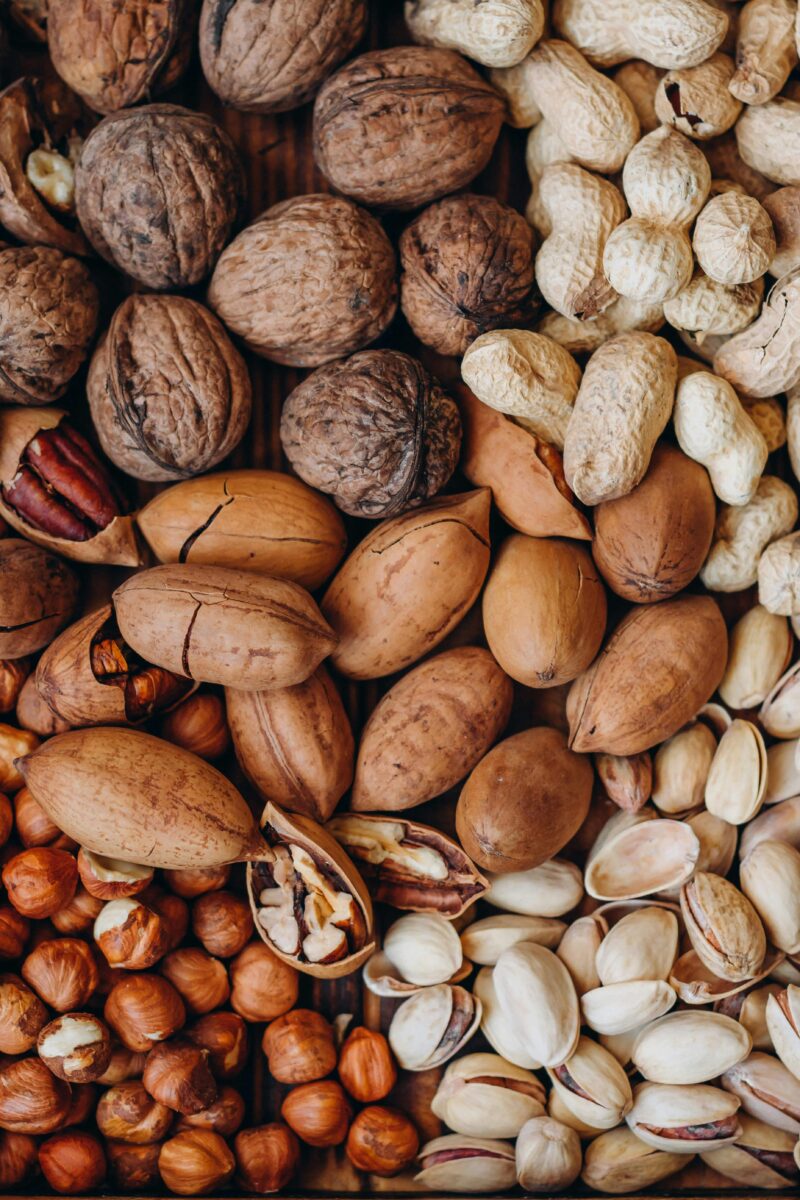
If you’ve ever wondered how to soak and dehydrate nuts, the process is simpler than you think:
- Place 4 cups of raw, shelled nuts in a large bowl.
- Cover with filtered water and add 1 tablespoonCeltic sea salt.
- Soak for the recommended time (see chart below).
- Drain and rinse.
- Spread on a parchment-lined baking sheet and dry in a dehydrator or in a warm oven (150°F or lower) for 12–24 hours, until crisp.
Recommended soaking times:
- Almonds: 7–8 hours
- Cashews: 3–6 hours
- Walnuts: 6 hours
- Pecans: 7 hours
- Sunflower seeds: 4 hours
- Pumpkin seeds: 7–8 hours
- Brazil nuts: 4–6 hours
- Macadamia nuts: 6–7 hours
- Sesame seeds: 7–8 hours
(Pro tip: I often let the nuts and seeds dehydrate overnight — I let the work get done while I’m asleep!)
How to Soak Legumes
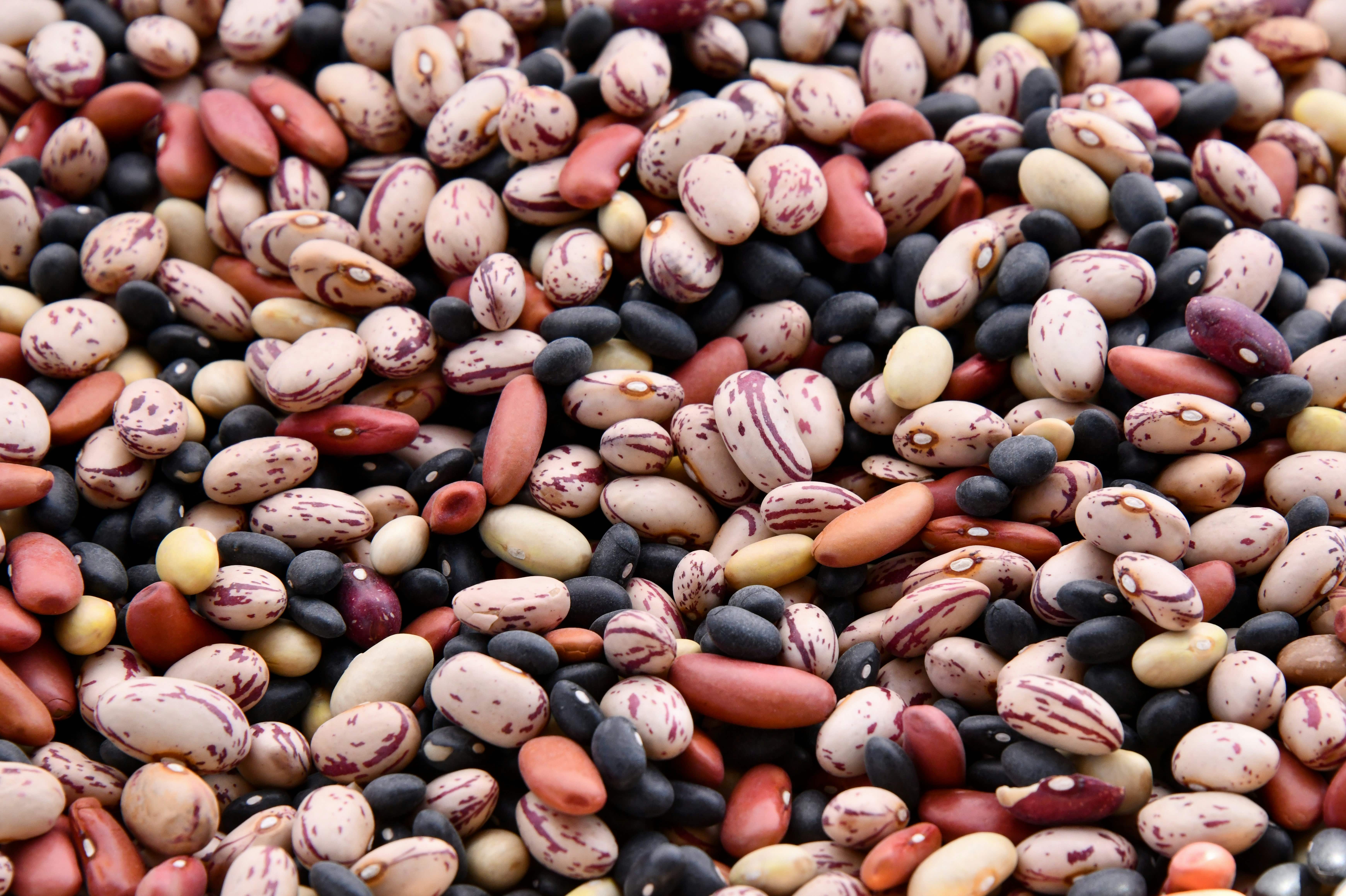
Beans (Kidney, Pinto, Navy, White, Black):
-
Place 2 cups of beans in a bowl.
-
Cover with warm water + 2 pinches baking soda.
-
Soak for 18–24 hours, changing the water every 7 hours and adding more baking soda.
-
Drain, rinse, and cook slowly in a pot or slow cooker.
Lentils:
-
Soak 2 cups lentils in warm water + 2 tablespoons lemon juice or apple cider vinegar.
-
Let sit for at least 7 hours.
-
Drain, rinse, and cook.
Garbanzo beans (chickpeas):
-
Soak 2 cups beans in warm water + 2 tablespoons lemon juice or apple cider vinegar.
-
Leave for 24 hours.
-
Drain, rinse, and cook.
How to Soak Grains
Even if you’re avoiding grains right now (for gut healing or thyroid support), bookmark this for later:
-
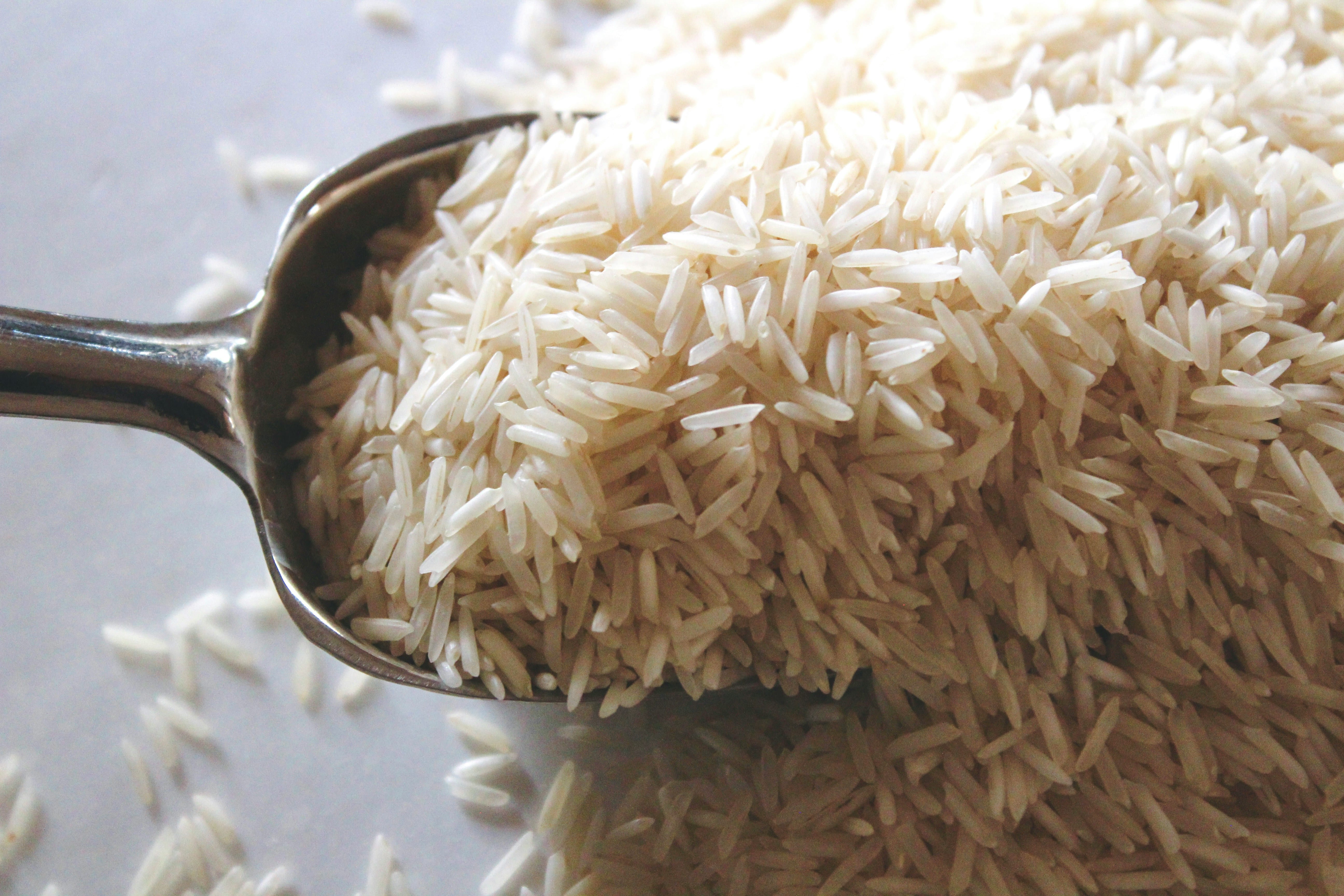
Rice or millet: Soak 2 cups grain in 2 cups warm water + 2 tablespoons lemon juice or ACV. Leave for 7 hours. Drain, rinse, cook.
-
Quinoa: Soak 2 cups quinoa in 6 cups water + 1 tablespoon lemon juice or ACV. Leave for 24 hours. Drain, rinse, cook.
-
Other grains: Soak 2 cups grain in 2 cups warm water + 2 tablespoons lemon juice or ACV. Leave for 12–24 hours. Drain, rinse, cook, or dry in a dehydrator.
FAQ: How to Soak and Dehydrate Nuts, Seeds, Legumes, and Lentils
1. Why should I soak nuts and seeds before eating them?
Soaking nuts and seeds helps break down enzyme inhibitors and phytic acid, which makes them easier to digest and allows your body to absorb more minerals like magnesium, zinc, and iron.
2. Do I have to dehydrate soaked nuts?
Yes, if you want them to be shelf-stable and crunchy again. After soaking, nuts are wet and can spoil quickly. Dehydrating (in a dehydrator or on a low temperature in your oven) restores their crisp texture and prevents mold.
3. Can I just buy pre-soaked or sprouted nuts instead?
Yes, many health food stores sell “sprouted” nuts and seeds that have already been soaked and dehydrated. However, making them at home is usually more cost-effective and ensures freshness.
4. How long do soaked and dehydrated nuts last?
When fully dehydrated and stored in an airtight container in a cool place, they typically last 2-3 months. I like to store them in these Italian glass jars. You can also store them in the freezer for longer freshness.
5. Can I soak and dehydrate legumes too?
Yes! Beans, lentils, and chickpeas also benefit from soaking. Soaking reduces phytic acid and improves digestibility. Just remember that after soaking, they still need to be cooked.
6. What’s the difference between soaking and sprouting?
Soaking simply neutralizes anti-nutrients and makes food more digestible. Sprouting takes the process further by allowing seeds, nuts, or legumes to germinate, which can increase certain nutrient levels.
7. Can I use vinegar instead of lemon juice when soaking?
Yes, both vinegar and lemon juice are acidic and work well as soaking agents to reduce anti-nutrients. Apple cider vinegar is a popular choice.
8. What happens if I skip soaking?
If you skip soaking, you could experience bloating, poor nutrient absorption, or other digestive discomforts. Long-term, consistently eating unsoaked nuts, seeds, or legumes may contribute to nutrient deficiencies and gut issues.
Key Takeaways: How to Soak and Dehydrate Nuts, Seeds, Legumes, and Lentils
-
Soaking neutralizes anti-nutrients like phytic acid and enzyme inhibitors.
-
It helps your body absorb minerals and makes foods easier to digest.
-
Always add an acid (lemon juice or vinegar) or salt when soaking.
-
After soaking nuts and seeds, dehydrate them at a low temperature to preserve crunch and prevent mold.
-
With just a little planning, you’ll enjoy nutrient-dense foods that support your health.
Soaking and dehydrating may seem old-fashioned, but it’s a powerful way to make everyday foods like nuts, seeds, legumes, and grains more nourishing. Once you try it, you’ll notice the difference — better digestion, more energy, and food that tastes amazing.
How can I learn more about the steps I can take for thyroid disease?
I have four fantastic options for you!
- To download my 50 of my top tips to support the thyroid naturally, tap here. I’ll also send you an educational email every few days to help you learn how to support your body naturally.
- If you’d like to learn from first steps you can take to help support your thyroid, check out my class, “5 Keys to Thyroid Hormone Balance”. It’s just 45 minutes and I promise you’ll learn something new!
- If you’re looking for a step-by-step plan for Hashimoto’s that truly works (no more piecing together info!), check out my 90-Day Thyroid Reset Program.
- Book a consult with me for one-on-one help. Here’s info about what working with me looks like.





Why are garbanzo beans neutralized with acid and other beans neutralized with a base?
After you dehydrate the nuts how do you store them and how long are they good for?
I store them in glass jars in the pantry or freezer. They last for about 6 months.
Does it have to be Celtics sea salt for nuts or can I use pink Himalayan salt?
Himalayan will work!
For making granola, do I dehydrate the soaked oats before making granola, or do you have a recipe that I just go right into making granola with the soft rinsed oats?
You’d want to soak the oats ahead of time, or buy sprouted oats
I want to sign up for your free seminar coming up.
Thank You,
Betty Davies
Bette7755@gmail.com
I want to thank you for reaching out to all of us. I am just starting this healing process with the Lord and am trying to stay positive for my husband and 5 children. I take 2 steps forward and 1 step back. I’m addicted to sugar and caffeine and it’s tearing apart my gut…..
I will be soaking my nuts for now on. And hopefully in a couple of years, I can eat grains again. Jesus is my Guide!! The Way the Truth and the Life
Should you roast the nuts after soaking and drying?
No need to roast. After drying, they will be crispy. Also, the high heat used for roasting can kill the good oils in the nuts, so best to dry at lower temps.
Wow thank you. I didn’t know some of this.
I bought Brazil nuts out of the shell is that ok? Also I do not have Celtic salt. Is there another type of salt that can be used in place of Celtic?
You can use Himalayan or another kind of unprocessed salt.
So when I buy shelled nuts from the store they have not already done the soak process.
I don’t buy all of my nuts shelled. Specifically pecans and almonds. Would you still recommend soaking them first and should I use the same amount of time that’s posted on the chart?
After they are shelled, then yes, use the same amount of time posted on the chart.
Do you soak roasted nuts? what about eating roasted nuts- do they no have the same benefits of raw? I would like to hear your thoughts on them.
Can you soak rinse and just set out to dry- do they need to be dried in a oven?
Thank you,
Julie
Roasting will destroy many of the good oils in the nuts, so drying them at a low heat is optimal. It’s best to dry them in an oven or dehydrator, because it will take too long for them to air-dry and will probably start to grow mold. When soaking/dehydrating, always start with raw nuts.
I’m anxious to try soaking garbanzo beans. I know someone who makes a delicious hummus using raw, soaked garbanzo beans. My biggest hang-up is finding a good tahini.
I’m pretty sure you have to cook the garbanzo beans before you eat them. I’ve never heard of using raw garbanzo beans for anything. Maybe garbanzo flour is raw. You will have to research that one.
Thank you for this well-written and comprehensive guide. Found your clear details about nuts especially helpful, as this is the first time I have seen it fully explained. One thing: I have read elsewhere that it is crucial to boil both kidney beans and black beans for at least 10 minutes before finishing them at a simmer or in a slow cooker, in order to rid them of a toxin. Have you heard differently? Also, I just saw a tip from Martha Stewart saying to allow beans to cool in their own broth to prevent the skins from splitting. Going to try that (and hope it works!).
I’ve never heard of that before, so I can’t really say.
Is it a problem to put it in the fridge or leave out until the morning to dehydrate in oven? I don’t want the oven to run all night…
Hi Carrie!
The lowest my oven goes is 170 degrees. Is this too high? If so, my only other solution is buying a dehydrator I guess…
170 is fine. That’s as low as my oven goes as well. 🙂
I thought cashews weren’t raw because of the heat they use to remove the shell. Also, I read on a different blog, that oats are low in the enzyme phytase, needed to neutralize the phytate and that wheat could be added to neutralize the phytate. I have added wheat grains to my oatmeal in a nut bag so I can remove the wheat after the soak. Curious of your thoughts on these.
First, Thank You! This is my second batch of brazil nuts. Is there a reason your instructions don’t include rinsing the nuts after soaking and before drying? Both the grains and legumes instruct to rinse after soaking. Seemed reasonable to rinse the nuts so I did.
No reason. You can rinse them if you like!
For the Brazil nuts, are there any substitutions for celtic sea salt?
There isn’t a sub.
Are sprouted seeds as good as soaked ones? Is there a difference? Thank you.
Yes, they are just as good. They have been soaked long enough to sprout.
hi
you suggested soaking shelled nuts.
is there a reason for using shelled? eg sesame seeds I read they are the healthiest whole so that’s hat I bought. what about almonds?
are you talking about nuts like pistachous..that the shell can’t be eaten?
if I am soaking a half cup of sesame seeds how much sea salt do I use? 3 tsp? how much water to soak in?
can I use them right away even if they are wet or do I need to dry it?
thanks so much
What about hand parched wild rice.. harvested in MN… do they need to be soaked as well?
How long would you soak dried black eyed peas?
I purchased raw Brazil nuts. Should I still soak and put in oven?
Yes
Hi Carrie,
Thank you for all the great tips! Can you just soak the amount of nuts you want to eat at a meal and not have to dehydrate?
You can, but they are wet and kinda soft after soaking, so it just depends on if you like the texture or not.
I have started making sure to soak by black beans before making soup after reading this awhile ago. I just thought I’d ask if it matters if you cover the bowl or not? I have not been and then wondered if I should. Probably a silly question but feel like sometimes I miss the important details and don’t realize it for years :/
You don’t need to cover the bowl. I always leave it on the counter uncovered. 🙂
Hi Carrie, what do think about using store bought nut flours and nut butters in baking? Do you know if the nuts in these products are soaked and/or the phytic acid content is reduced?
Most of the phytic acid is in the skin, so using blanched nut flours on occasion is ok.
I have a dehydrator feature on my air fryer. Any idea how long in the dehydrator to leave them?
I’d refer to the instruction manual that came with your air fryer.
So the last batch of lentils I soaked I only need to use a few of them in my recipe and I put the rest in the refrigerator. They sprouted. How do you store these things after you do this? Do you need to cook them all and then freeze them, can they be frozen after they are soaked but not cooked? It would be nice to know how to proceed after you follow the directions above. Thank you!
If they sprouted, I recommend going ahead and cooking them. I don’t think it would be a good idea to soak them and then freeze before cooking. It might change the texture of the lentil.
Hi Carrie 🙂
I am really sodium sensitive (high blood pressure)
Would soaking in baking soda increase the sodium content ?
I cannot use lemon or apple cider vinegar
Thank You and Happy New Year !!
I’m not sure how much of the sodium bicarbonate is absorbed into the beans, so I’m not sure.
What about soaking steel cut oats? Would you do the same as with rice? Thanks!
Yes, all grains should be soaked.
Is it ok to use white vinegar instead of acv to soak legumes?
Yes 🙂
Do you/ should you soak canned beans as well? I usually get fava beans in a can, boil them for a few minutes and then eat them. In this case, are you suggesting taking the canned beans, soak them in water and lemon first?
You can’t soak them after they’ve been cooked. Best to buy dry and then soak.
I use a lot of raw cashews for sauces in my dairy free cooking. I always boil them for 10 minutes before using. If I would soak the cashews and then dry them in the oven, would that affect the creaminess I get in my dairy free cooking.
You can soak them, drain and then puree for sauces.
Once they have been soaked , rinsed and dehydrated, can you keep them or must you use them immediately?
It’s best to go ahead and cook them.
Once you soak, rinse and dehydrate them, can you store them or must they be used immediately?
Another blogger said that since macadamias are “fragile” they should not be soaked for more than 4 hours of they will loose the beneficial oils…..You say 6-7 hours…..What is the best soak time for raw macadamias?
Thank you
I’ve never heard that. 6-7 hours is a good time for soaking.